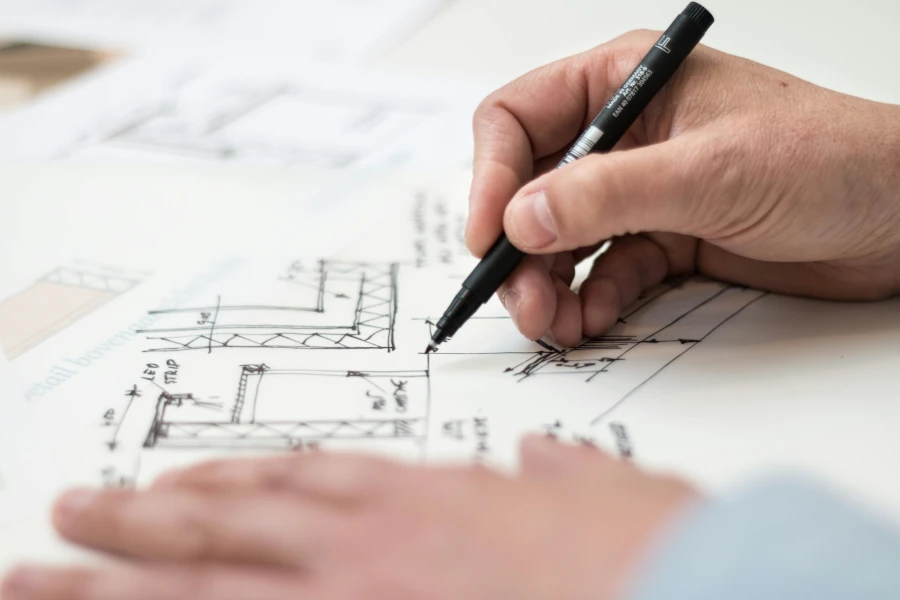
Designing an HVAC (Heating, Ventilation, and Air Conditioning) system for a building is a complex but rewarding task. A well-designed HVAC system ensures comfort, energy efficiency, and optimal indoor air quality. This guide will walk you through the essential steps on how to design a HVAC system for a building.
Before diving into the design process, it’s crucial to understand what an HVAC system entails. An HVAC system is responsible for regulating the temperature, humidity, and air quality within a building. It consists of three main components:
The first step in designing an HVAC system is performing a “load” calculation. This involves determining the heating and cooling requirements of the building based on factors such as:
Software tools like Manual J can help in performing accurate load calculations.
Once you have determined the load requirements, the next step is selecting suitable equipment that can meet these needs efficiently. Key equipment includes:
Ensure that the chosen equipment has adequate capacity without being oversized or undersized.
Proper ductwork design is crucial for efficient air distribution throughout the building. Considerations include:
Effective ventilation is essential for maintaining indoor air quality and occupant comfort. There are two main types of ventilation systems:
Consider incorporating energy recovery ventilators (ERVs) or heat recovery ventilators (HRVs) to enhance efficiency by exchanging heat between incoming and outgoing air streams.
Modern HVAC systems often include advanced control systems that allow for precise temperature regulation and energy management. Key components include:
Adhering to local building codes and industry standards is critical when designing an HVAC system. Common standards include:
Compliance ensures safety, efficiency, and reliability of your HVAC system.
Energy-efficient designs not only reduce operational costs but also minimize environmental impact. Consider incorporating features such as:
Maintaining good indoor air quality is vital for occupant health and comfort. Strategies include:
When designing an HVAC system, consider future expansion possibilities. This includes sizing equipment with potential growth in mind or installing modular components that can be easily upgraded.
Designing an effective HVAC system requires careful planning, accurate calculations, and adherence to industry standards. By following these steps on how to design a HVAC system for a building—conducting load calculations, selecting appropriate equipment, designing ductwork layout, planning ventilation strategy, integrating control systems—you can create an efficient and reliable solution tailored to your specific needs.
Remember to always prioritize energy efficiency, indoor air quality while ensuring compliance with relevant codes & standards; this will result in optimal performance & long-term satisfaction from your designed HVAC setup!

James CRAFT & Son, Inc. stands as the premier Plumbing, HVAC, and Service contractor in the region, boasting a legacy of over 100 years of exceptional craftsmanship. As a family-owned and operated business, CRAFT has consistently delivered top-quality services to its valued customers.
With a dedicated team of full-time professionals and a fleet of distinctive red Ford trucks, CRAFT efficiently meets the needs of commercial, industrial, and institutional clients. Their extensive service area spans south-central Pennsylvania, northern Maryland, West Virginia, Virginia, and Delaware.
Our newsletter is distributed quarterly by USPS mail free of charge. If you’d like to receive our Newsletter, please complete the form below.
"*" indicates required fields